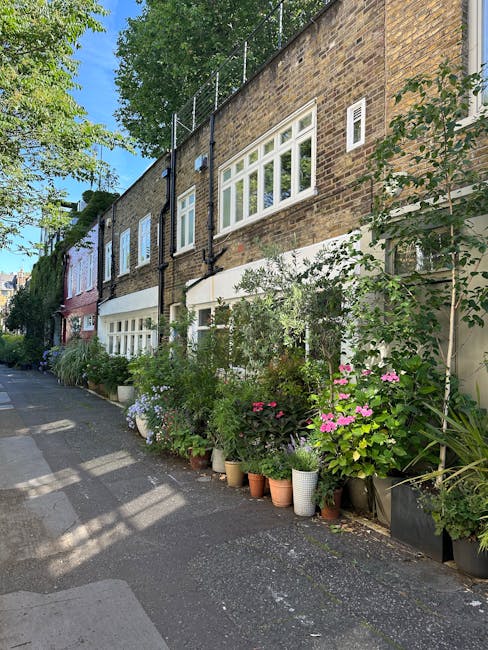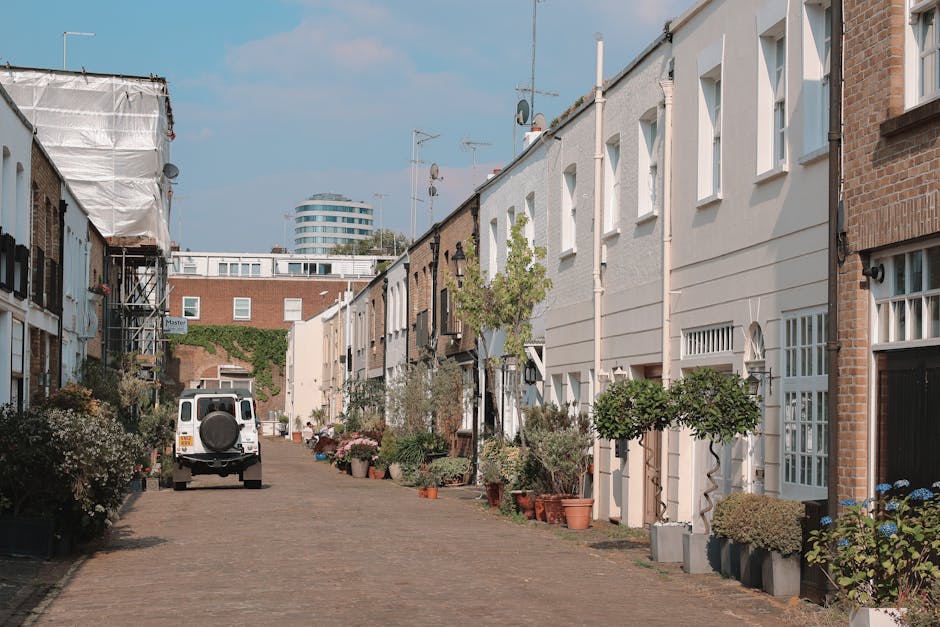
Gardeners Vauxhall terraces tight access South Lambeth Road: practical solutions for compact outdoor spaces
Terrace gardens in this part of London can be charming, but they can also be awkward. Narrow side gates, shared walkways, basement steps, awkward bin routes, and a tiny patch of sun all create a very specific challenge. If you are looking for Gardeners Vauxhall terraces tight access South Lambeth Road support, you probably want more than a general gardening service. You need someone who can work neatly, move carefully, and still leave the space looking properly cared for.
That is the focus of this guide. We will look at what tight-access gardening really involves, how it works on South Lambeth Road terraces, the benefits, common mistakes, useful methods, and the kind of planning that saves time and hassle later. Truth be told, compact London gardens reward good preparation. Get that right and even the smallest outdoor space can feel calmer, tidier, and much easier to enjoy.
Why Gardeners Vauxhall terraces tight access South Lambeth Road Matters
Tight access changes everything. On a normal suburban plot, a gardener can bring in bags of compost, a mower, pruning tools, staging, and perhaps a small wheelbarrow without much fuss. On a terrace near South Lambeth Road, that same job might involve a narrow passage, a neighbour's shared path, limited storage, and very little turning space. Suddenly, simple jobs become a bit more delicate.
This matters because bad access is not just inconvenient. It affects what can be planted, how maintenance is done, how safely materials are moved, and how much disruption the work causes. If a garden has to remain usable during the day, or if rubbish and equipment must be taken through the house, then working methodically becomes essential.
In practical terms, access limitations influence:
- the size of tools and machinery that can be used
- how waste is removed from the site
- the amount of soil, timber, gravel, or paving that can be carried in
- how long a job takes, especially when every trip has to be carefully staged
- what kind of planting or design is realistic in the first place
That is why terrace gardening in this area benefits from a flexible, measured approach. You do not want brute force. You want judgement. A neat job, done without scuffs on the wall or soil trailing through the hallway, is worth far more than a rushed one.
How Gardeners Vauxhall terraces tight access South Lambeth Road Works
Tight-access gardening usually starts before a spade touches the soil. A good site visit, even a brief one, is often where the useful work begins. The gardener looks at how equipment will enter, where materials can be staged, where light falls, and what parts of the garden are most difficult to reach. In many terraces, the real challenge is not the planting bed itself. It is the journey to and from it.
On South Lambeth Road terraces, the workflow often follows a pattern like this:
- Access review - measure gates, side passages, steps, and bends; note head height and turning room.
- Material planning - choose smaller, easier-to-handle quantities instead of bulk deliveries where possible.
- Protection - use coverings, mats, or careful routing to protect floors, paving, and fences.
- Task sequencing - do the messiest work first, then finish with cleaning, edging, and visual tidying.
- Waste management - bag, move, and remove arisings in a way that suits the site, not the other way around.
The best results usually come from adapting the service to the garden, not forcing the garden to fit the service. That sounds obvious, but in reality, it is where many jobs go wrong. A lawn mower is no use if it cannot reach the lawn. A large hedge trimmer can be brilliant, until it cannot safely swing in a narrow alley. Little things, big difference.
For ongoing care, a combined service approach often works well. For example, regular garden maintenance in Vauxhall SW8 can keep a terrace from slipping into that overgrown stage where every corner becomes harder to reach. If grass areas are involved, local lawn mowing support and practical lawn care can be more efficient than one-off emergency visits.
Key Benefits and Practical Advantages
The biggest benefit of a tight-access specialist is simple: the work gets done cleanly without creating a second problem. That second problem might be a muddy hall, damaged paintwork, broken pots, or a pile of green waste that nobody planned for. Not ideal.
Here are the main advantages you should expect:
- Less disruption - careful movement through narrow routes reduces mess and noise.
- Better use of space - compact gardens can be shaped to feel larger, lighter, and easier to maintain.
- Safer handling - awkward loads, overhanging branches, and slippery surfaces are managed more cautiously.
- More reliable maintenance - routine jobs become manageable when the access problem is planned for properly.
- Improved aesthetics - neat lines, layered planting, and trimmed boundaries make small gardens feel intentional.
There is also a comfort benefit that is easy to underestimate. When a terrace garden is well organised, you are more likely to use it. A tiny seating spot suddenly feels inviting. A narrow border becomes a feature instead of a nuisance. Even a small patch of paving can feel surprisingly peaceful after a proper clean, which is one reason many people pair maintenance with patio cleaning when the hard landscaping has started to dull.
If design is part of the brief, access-friendly planning can also support smarter upgrades. Services such as landscaping in Vauxhall, decking installation, or fencing work may be chosen specifically because they improve privacy, structure, and usability without overloading the space.
Who This Is For and When It Makes Sense
This kind of service is not just for people with neglected gardens. In fact, many of the best candidates have well-kept terraces that simply need a smarter way of being maintained. The issue is access, not neglect.
It makes sense if you are:
- a homeowner with a narrow rear terrace or split-level garden
- a landlord needing tidy, repeatable upkeep between tenancies
- a busy professional who wants a low-fuss outdoor space that still looks good
- someone with a small family garden where equipment must pass safely through the house
- an older resident who wants regular help without heavy lifting
- anyone dealing with awkward access, shared passages, or limited storage
It also makes sense at seasonal pinch points. Early spring often reveals winter damage, while late summer can expose how fast a compact garden has dried out, flopped over, or become scruffy at the edges. In those moments, a thoughtful visit can reset everything without turning the house into a building site. And no, you do not need a grand plan every time. Sometimes you just need the right pair of hands and a sensible order of work.
Step-by-Step Guidance
If you are planning work on a terrace with tight access, start with a clear process. That keeps the job practical and avoids the usual scramble halfway through.
- Walk the route
Check how materials and tools will enter and leave. Look for bottlenecks, sharp corners, low obstacles, and any surfaces that could slip when wet. - Define the main goal
Is the priority tidy-up, planting, lawn recovery, hedge reduction, or a bigger redesign? One clear goal makes the rest easier. - Choose access-friendly materials
Smaller bags of compost, modular planters, light edging, and manageable quantities of timber or stone are often easier to work with. - Protect the route
Cover floors, pads, or narrow paths as needed. Even a tiny amount of soil dragged through the kitchen can become a very annoying afternoon. - Start with clearance
Remove dead growth, litter, loose debris, and anything that blocks movement. This makes the rest of the work safer and quicker. - Work from the top down
Trim hedges, prune branches, and cut back overgrowth before dealing with borders and surfaces below. - Finish with detail
Edge, sweep, rake, and inspect. The final 10 percent often creates 50 percent of the visible improvement.
For some gardens, the right next step is maintenance rather than redesign. For others, it may be the moment to think bigger about shape and function. A small side return could be made more usable with careful planting from ideas similar to those discussed in vertical gardening or container gardening for limited spaces. Both approaches suit tighter urban plots because they work upwards and out of the way.
Expert Tips for Better Results
In small-access gardens, small choices make a disproportionate difference. That is the honest truth of it.
- Use layered planting, not clutter - pick a few reliable plants with different heights rather than filling every gap. Overcrowding is a common trap.
- Keep edges crisp - on a terrace, borders and paths define the whole feel of the space. A clean edge can make a tiny garden look newly designed.
- Think about drought and shade - many terraces are shaded by buildings, while others get intense reflected heat. Plant choice should match that microclimate.
- Prioritise repeat visits over heroic one-offs - steady maintenance often outperforms big occasional tidy-ups.
- Choose plants that forgive a bit of neglect - tough ground cover, compact shrubs, and resilient climbers are often the smartest choice.
- Make storage part of the design - if there is nowhere for tools or compost, the garden starts to fight back.
A small, slightly overlooked tip: think about the sound of the space too. A planted screen, a tidy hedge, or a modest deck can soften street noise, which is especially welcome near busy roads. For that sort of screening, fast-growing hedge ideas and evergreen climbers for shade can be useful inspiration.
Common Mistakes to Avoid
A few avoidable errors crop up again and again in terrace gardens with narrow access. Most of them are fixable, but they cost time and money when ignored.
- Ordering materials too large for the route - a beautifully planned project can stall if sacks, slabs, or timber cannot get through the entry point.
- Ignoring waste removal - if you do not plan for cuttings and old material, the job becomes messy fast.
- Using oversized equipment - a machine that is perfect in an open garden may be hopeless in a narrow passage.
- Planting for looks only - some species may look lovely but become awkward to prune, water, or deadhead in a tight space.
- Forgetting neighbours and shared access - terraces often sit close together, so courtesy matters. A lot.
- Skipping the final tidy - small spaces show mess much more quickly than larger plots.
There is another subtle mistake: designing for the first month, not the first year. A terrace garden should still function when plants have grown, when bins need moving, and when winter makes everything slippery and a bit miserable. Good planning thinks ahead. Not in a dramatic way, just sensibly.
Tools, Resources and Recommendations
For tight-access gardening, the most useful tools are often the ones that travel well and do not create drama. Lightweight equipment, foldable items, and hand tools can be more practical than large machinery. The goal is control. You want movement to feel easy, not like a furniture delivery gone wrong.
| Need | Best practical option | Why it helps in tight access |
|---|---|---|
| General clearing | Hand tools and compact bags | Easier to carry through narrow routes and safer around delicate surfaces |
| Lawn upkeep | Small mower or specialist lawn care | Fits tighter entrances and reduces the risk of damage |
| Hedge and shrub work | Sharp hand pruners plus careful shaping | More precise around walls, fencing, and corners |
| Soil improvement | Measured composting and mulching | Less waste, easier handling, better control in small beds |
| Screening and structure | Fence, hedge, or climbing support | Creates privacy and vertical interest without using too much floor space |
For readers building a long-term maintenance habit, a mix of broad gardening services and more specific support, such as hedge trimming or tree surgery, can be the sensible route. That is especially true if your terrace has mature planting close to walls or rooflines.
If the space has become heavily overgrown, there are also some useful ideas in this guide to reclaiming an unattended garden. It is a practical reminder that an untidy space does not need a full rebuild; often it just needs a staged, calm reset.
Law, Compliance, Standards, or Best Practice
For terrace gardens in London, the compliance side is usually about common-sense safety, neighbour consideration, waste handling, and avoiding damage to shared boundaries or access routes. There is not one single rulebook that covers every site, so a careful professional approach matters more than grand claims.
Best practice usually includes:
- checking for shared access and respecting neighbour boundaries
- moving equipment and waste safely through the property
- keeping paths clear during the work
- disposing of green waste responsibly
- being cautious with pruning near walls, fences, and overhead structures
- avoiding damage to drainage, paving, or existing utilities
If a job involves substantial tree work, extra care is sensible. In a tight terrace setting, branches can overhang roofs or passageways, and that calls for proper judgement. Likewise, if boundary lines are involved, it is wise to be clear about what belongs where before any major cut is made. That saves awkward conversations later. Nobody wants those.
For seasonal resilience, it can also help to think in terms of weather management, not just plant care. The ideas in garden protection planning for severe weather and winter protection techniques are especially relevant where space is limited and plants cannot simply be moved out of harm's way.
Options, Methods, or Comparison Table
When people first deal with a terrace garden on South Lambeth Road, they usually choose one of three routes: quick tidy-up, regular maintenance, or a more considered redesign. Each has its place.
| Approach | Best for | Pros | Trade-offs |
|---|---|---|---|
| One-off tidy-up | Overgrown or recently neglected gardens | Fast improvement, visible results | May not solve longer-term layout or access issues |
| Regular maintenance | Busy households and rental properties | Predictable, neat, low stress | Needs consistency, which some people forget during busy months |
| Access-friendly redesign | Spaces that are hard to use or maintain | Better long-term function, easier upkeep | More planning needed at the start |
Honestly, most terrace owners benefit from a mix of the first two. A tidy-up gets the garden back under control, then regular visits keep it there. If the structure is wrong from the start, a redesign may be the better call. Sometimes that means adding a deck, refining a boundary, or improving the shape of planting beds. If that is the direction, landscaping support in Vauxhall can help turn the awkward bits into features rather than annoyances.
Case Study or Real-World Example
Picture a typical terrace garden near South Lambeth Road: a narrow rear entrance from the kitchen, a small paved section, two tired planting beds, and a patch of grass that has been edging toward moss more than lawn. There is also a climbing plant that has taken its freedom a bit too literally. The space is not huge, but it has potential.
In a real-world scenario like this, the first visit usually focuses on access and safety. Old cuttings are removed, the route is protected, and the most invasive growth is taken back carefully. Then the garden is divided into zones: surface, boundary, planting, and maintenance.
A practical reset might include:
- cleaning the paving so the space feels brighter and less cramped
- reducing hedge growth to open up light and improve movement
- reworking the planting scheme so there is less clutter at ground level
- refreshing the lawn or replacing it with a lower-maintenance area if shade is a problem
- adding one or two climbing or container features for height without using floor space
What changes most is not only the look, but the feel. The garden becomes easier to walk through. It smells cleaner after the cuttings are cleared. Light starts reaching the back corner again. That back corner matters more than people think. It is usually where the whole garden either lives or feels cramped.
For ideas on making the most of a compact plot, the articles on ground cover plants, garden seating, and herb garden design offer useful direction without asking the space to do too much.
Practical Checklist
Use this as a simple pre-visit or planning checklist. It keeps things grounded.
- Measure gates, side passages, and any narrow turns
- Decide whether the job is tidy-up, maintenance, or redesign
- Identify the messiest tasks and schedule them first
- Protect floors, paving, and walls before carrying tools through
- Choose manageable materials rather than oversized deliveries
- Plan where waste will go before the cuttings start piling up
- Check for awkward overgrowth near roofs, fences, or windows
- Match plant choice to light, shade, and wind exposure
- Leave a final sweep, edge, and visual check at the end
- Think about what will still be easy to maintain six months from now
If children or pets use the space, that deserves an extra pause. Paths need to stay clear, and layout should allow safe movement without sharp corners or clutter. A garden can be beautiful and practical at the same time. It really can.
Get a free quote today and see how much you can save.
Conclusion
Gardeners Vauxhall terraces tight access South Lambeth Road is really about making difficult spaces work properly. It is not just mowing, cutting, or tidying. It is about access planning, clean execution, careful handling, and choosing improvements that fit a London terrace rather than fighting against it.
When the job is done well, the difference is immediate. The garden feels easier to use. The route through it is clearer. The planting makes more sense. And the whole place stops feeling like a compromise. That is the quiet win with tight-access gardening: it gives small spaces back their dignity, one careful step at a time.
And if your terrace has been nagging at you for months, that is usually a sign it is ready for proper attention. Not a dramatic overhaul necessarily. Just the right plan, in the right order, with a calm pair of hands.
Frequently Asked Questions
What does tight-access gardening mean in a terrace property?
It means the garden can only be reached through narrow, awkward, or shared routes, so tools, materials, and waste need to be managed more carefully than in an open-access garden.
Why are South Lambeth Road terraces especially tricky to maintain?
Many terrace homes in London have narrow entries, compact rear gardens, and limited storage. That makes routine work possible, but only with thoughtful planning and the right equipment.
Can a small terrace garden still look high-end?
Yes. In fact, smaller gardens often look more polished when they are well designed. Clean lines, restrained planting, and good boundary work can make a small space feel intentional and stylish.
Is regular maintenance better than occasional big clean-ups?
Usually, yes. Regular care keeps growth manageable and makes access easier. Big clean-ups are useful, but they are more demanding and often cost more effort overall.
What kind of tools work best in narrow access areas?
Lightweight, compact tools are usually best. Hand tools, manageable pruning gear, smaller mowers, and foldable or easy-carry items are more practical than bulky machinery.
How do gardeners protect floors and hallways when moving through the house?
They usually use protective coverings, careful routing, and staged movement of materials. It sounds basic, but it prevents a lot of messy little accidents.
Can a tight-access garden be redesigned as well as maintained?
Absolutely. In many cases, the best solution is a redesign that makes the space easier to maintain in the long term, not just prettier for a week or two.
What are the most common mistakes people make with terrace gardens?
Choosing oversized materials, ignoring waste removal, overplanting, and forgetting how the garden will be maintained later are some of the most common ones.
Do I need a full redesign if my garden feels cramped?
Not always. Sometimes a tidy-up, pruning, better edging, and a few smarter planting choices are enough to transform the feel of the space.
How often should a terrace garden in London be serviced?
It depends on the garden, but many compact spaces benefit from regular seasonal visits. Growth rates, shade, and how much the space is used all affect the right schedule.
Can hedge trimming and tree work be done safely in tight access gardens?
Yes, but it needs extra care. Narrow routes, overhanging growth, and nearby structures mean the work should be paced properly and planned around safe movement.
What should I ask before booking a gardener for a tight-access property?
Ask how they assess access, how they protect indoor and outdoor surfaces, how waste is removed, and whether they have experience with terrace or side-return gardens. That gives you a much clearer picture of fit.